Connection Difficulties That Limit Peer Relationships
Social Skills Development in Lufkin for children and teens experiencing social anxiety, isolation, and trouble forming friendships
Children and teens who struggle to initiate conversations, misinterpret social cues, or withdraw during group activities often face increasing isolation as peers form tighter social circles. Restoration in the Pines, Counseling & Wellness, PLLC provides social skills development therapy in Lufkin for young clients whose difficulty reading facial expressions, understanding unspoken social rules, or managing anxiety in social settings prevents them from building meaningful peer relationships. This counseling is particularly relevant for children with ADHD who miss social cues due to impulsivity or inattention, teens with autism spectrum differences who struggle with conversational reciprocity, and those whose social anxiety creates avoidance patterns that worsen over time.
Therapy sessions create a structured, low-pressure environment where clients can practice specific social behaviors—making eye contact, taking turns in conversation, interpreting tone of voice, joining group activities—with immediate feedback and guided repetition. The counseling uses role-play scenarios, video modeling, and real-time coaching to break down complex social interactions into teachable components, addressing both skill deficits and the anxiety that often accompanies social situations.
Request an assessment to identify your child's specific social challenges and communication needs.
How Therapy Builds Confidence in Social Situations
Sessions at Restoration in the Pines focus on the particular social difficulties your child faces, whether those involve starting conversations with unfamiliar peers, understanding when someone is joking versus being mean, regulating emotions during conflict, or recognizing when to enter or exit group play. The therapist teaches concrete strategies such as using conversation starters, asking follow-up questions to show interest, reading body language to gauge others' reactions, and identifying safe peers who share similar interests. For children who experience rejection sensitivity, therapy includes emotional regulation skills to manage the disappointment that comes with social setbacks.
As therapy progresses, you notice your child attempting more peer interactions at school and in community settings, initiating conversations rather than waiting passively, and recovering more quickly from social misunderstandings. They begin recognizing when their behavior affects others negatively and adjusting their approach, demonstrating growing awareness of social reciprocity. The anxiety that previously kept them on the sidelines during group activities diminishes as practiced skills become more automatic.
Restoration in the Pines collaborates with families to reinforce social development outside of sessions, providing strategies for practicing skills at home, facilitating structured peer interactions, and supporting your child through social challenges that arise at school or in extracurricular activities. The counseling also addresses any underlying issues such as low self-esteem or past peer rejection experiences that contribute to social avoidance.
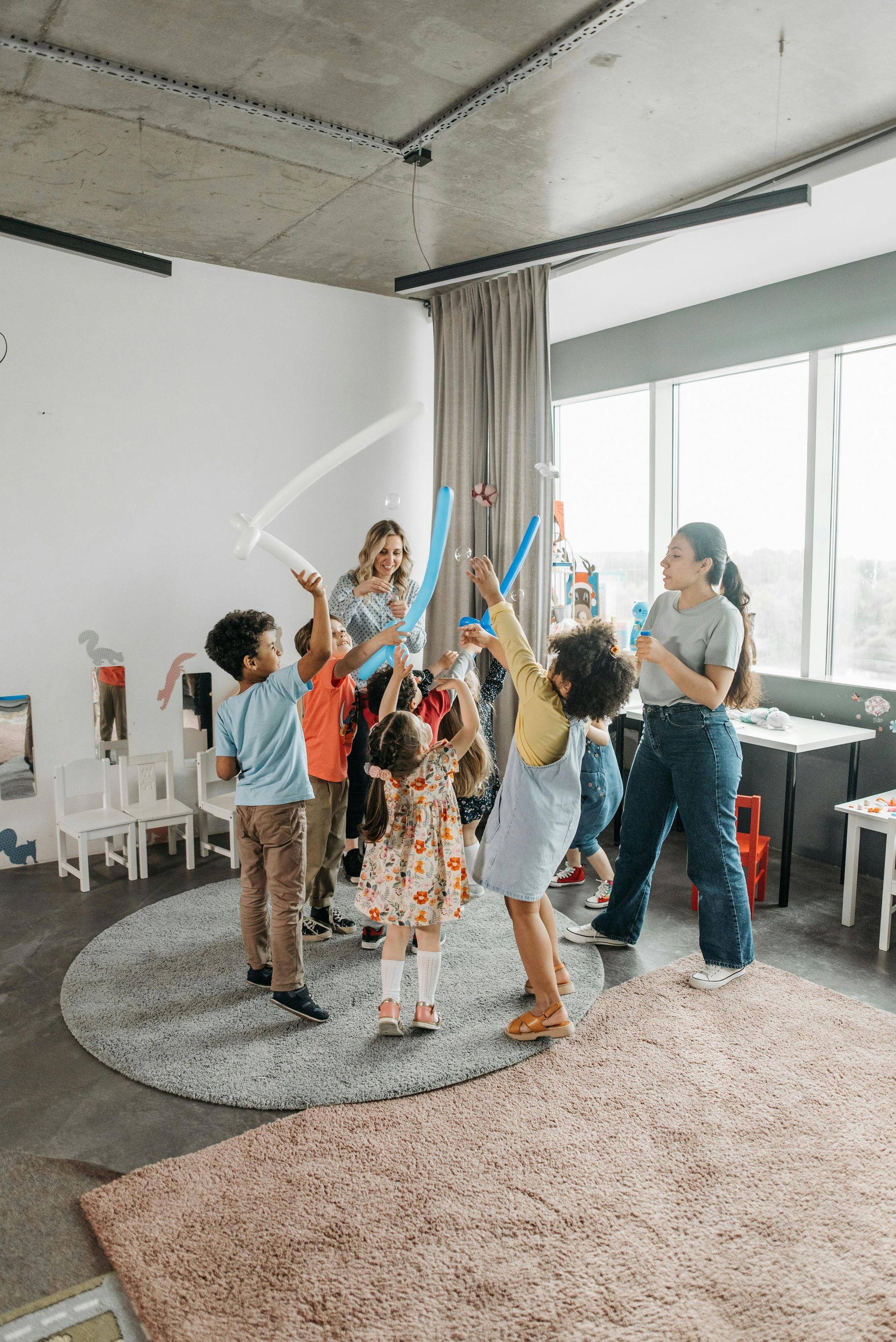
Families throughout East Texas often have questions about how social skills therapy works and what to expect for their child or teen.
Common Concerns About Social Skills Counseling
What does social skills therapy actually involve?
Sessions include direct instruction and practice of specific social behaviors such as greeting others, maintaining conversations, interpreting nonverbal cues, and handling peer conflict, using role-play, video feedback, and real-world application assignments tailored to your child's developmental level.
How does counseling address social anxiety versus skill deficits?
The therapist assesses whether your child lacks knowledge of social norms, possesses the knowledge but struggles with execution due to anxiety, or faces both challenges, then designs interventions that address the specific combination affecting their social functioning.
When should parents seek social skills support for their child in Lufkin?
Consider therapy when your child consistently struggles to make or keep friends, avoids social situations due to fear or past negative experiences, misses social cues that lead to peer rejection, or experiences distress related to feeling different or left out.
What if the child has ADHD or autism affecting social interaction?
Therapy adapts strategies to accommodate neurodevelopmental differences, such as using visual supports for children with autism who process information better visually, or incorporating movement breaks for children with ADHD who struggle with sustained attention during social coaching.
How can parents support social development between sessions?
Families receive specific guidance on arranging structured playdates, coaching through social challenges in real time, modeling positive social behaviors, and reinforcing skills practiced in therapy during everyday interactions at home and in the community.
Social skills development at Restoration in the Pines, Counseling & Wellness, PLLC provides individualized support that meets your child where they are socially and emotionally. Schedule a consultation to discuss your child's peer interaction challenges and relationship-building goals.
providers